2
Secondary Lifting Surgery
Face Lift
Forehead/Brow Lift
Middle-aged Eyelid Surgery
Eyelid Surgery
Skin / Non-Surgical Cosmetic Procedure
Recovery / Regeneration Care
About ZELL PLASTIC SURGERY
Before & After Photos

Canthoplasty & Canthoplasty Revision

“ Customized Solution for Brighter Eyes: Canthoplasty & Canthoplasty Restoration ”

More Defined with Canthoplasty, More Natural with Restoration
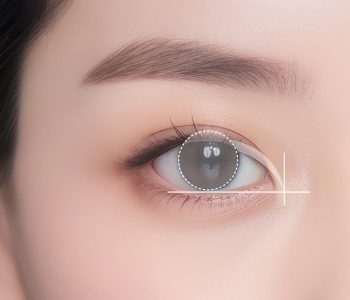
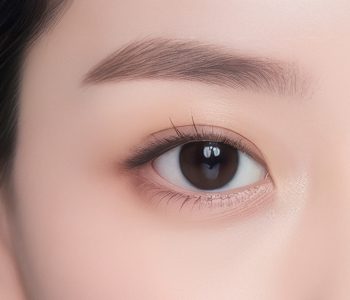
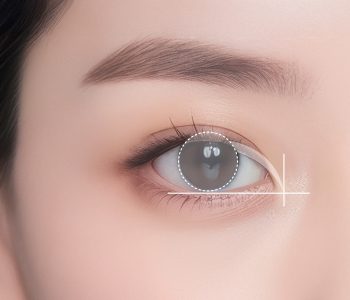
Canthoplasty improves the size and shape of the eyes through various methods including inner, outer, upper, and lower canthoplasty to achieve your desired look. Multiple procedures can be performed simultaneously as needed. If you are not satisfied with your eye appearance after double eyelid surgery, combining it with canthoplasty can achieve larger, more defined eyes.
Surgery Time

Approx. 20 minutes

(per canthoplasty procedure)

Anesthesia
Local / Sedation Anesthesia
Hospitalization
Not Required
Suture Removal

Inner/Upper Canthoplasty: 7 days

Outer/Lower Canthoplasty: Not required

Follow-up Visit
1 visit
Recovery Period

2–3 days

*Results may vary depending on the patient's condition and surgical method.
who

Candidates for Canthoplasty & Restoration

We recommend Canthoplasty & Restoration surgery for the following candidates.
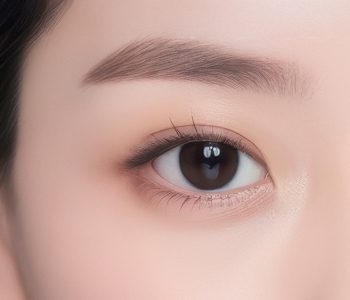
  • ✓Those who want larger, more defined eyes
  • ✓Those who want to widen the horizontal length of their eyes
  • ✓Those who want to adjust the angle of their outer eye corners
  • ✓Those who are not satisfied with their eyes after double eyelid surgery
  • ✓Those experiencing excessive deformity or scarring after canthoplasty (Canthoplasty Restoration)
plan

Surgical Method

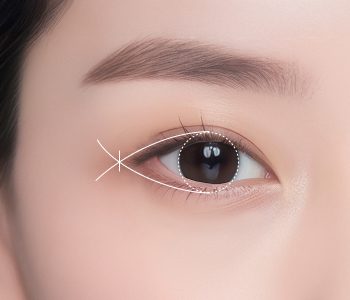
Inner Canthoplasty
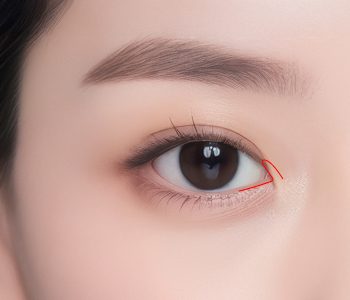
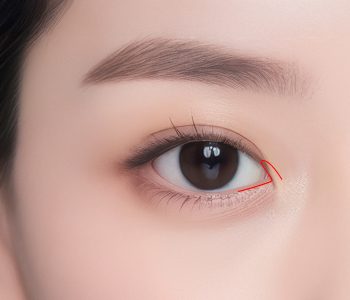
This procedure involves incising the inner corner of the eye to separate the skin and reposition or remove the epicanthal fold, improving the appearance of heavy-looking eyes. The degree of correction may vary depending on the individual's eye shape and structure.
1. Before Surgery
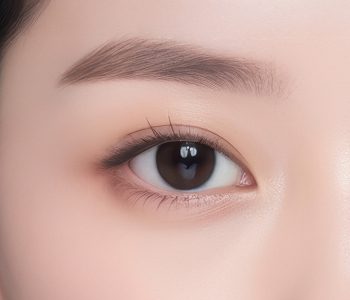
Double eyelids present but eyes appear heavy and compressed
2. Design
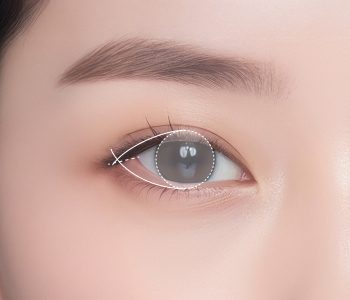
Custom design considering the balance of face and eyes
3. Epicanthal Fold Incision & Separation
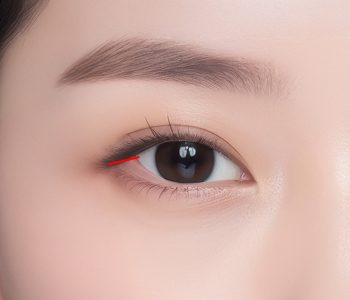
The epicanthal fold is incised and separated along the inner canthal angle.
4. Suturing
Delicate suturing on the inner side of the eye so the incision line is not visible
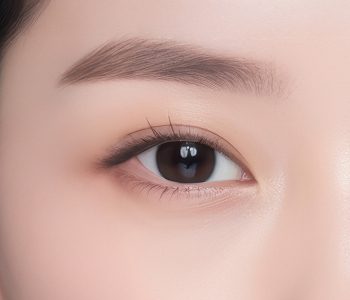
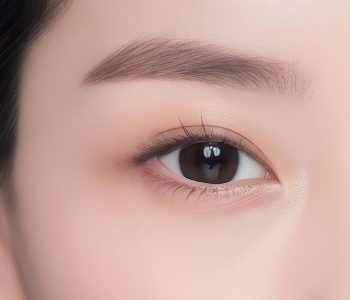
5. After Surgery
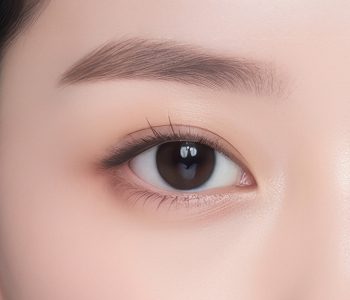
Natural and defined inner canthoplasty with minimal scarring
Upper Canthoplasty
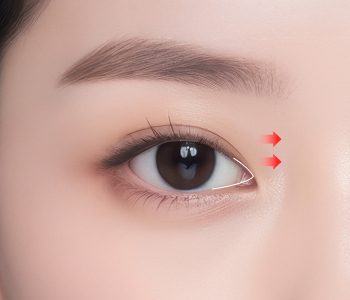
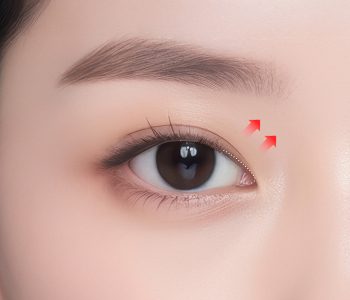
This procedure resects the upper portion of the epicanthal fold to open the front of the eye approximately 45 degrees upward. This allows the double eyelid line to naturally show from the front, creating rounder and softer-looking eyes.
1. Before Surgery
Double eyelids present but eyes appear heavy and compressed
2. Design
Custom design considering the balance of face and eyes
3. Epicanthal Fold Incision & Separation
Incision and Dissection are performed on the upper Epicanthal Fold to expose the front Double Eyelid Crease Line.
4. Suturing
Delicate suturing on the inner side of the eye so the incision line is not visible
5. After Surgery
Natural and soft eye appearance, Completed with rounder upper canthoplasty
Outer Canthoplasty
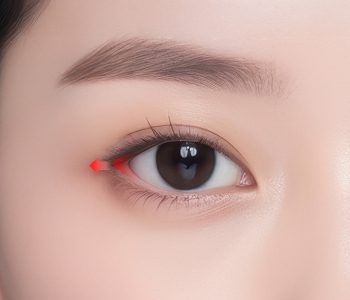
This procedure horizontally incises the outer corner of the eye (eye tail), adjusts the ligament position that holds the eye shape, and fixes it to the periosteum to extend the horizontal length of the eye.
1. Before Surgery
Double eyelids present but eyes appear heavy and compressed
2. Design
Precise design of the incision position and length at the outer eye corner
3. Lateral Canthus Incision & Separation
Incise the lateral canthus (eye tail) according to the design, then separate the surrounding tissue
4. Periosteal Fixation
Fix the existing lateral canthus to the periosteum for extension
5. Suturing
Suturing with absorbable sutures
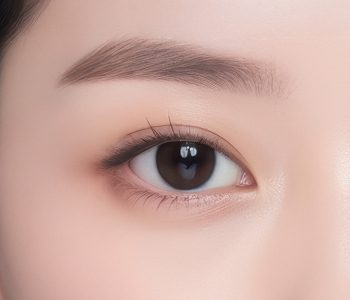
5. After Surgery
Extended horizontal eye length creates a more refreshing eye appearance
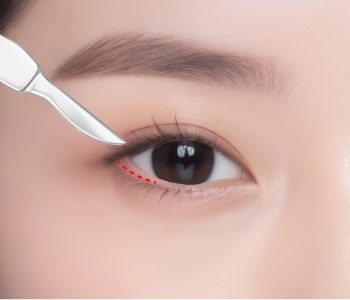
Lower Canthoplasty
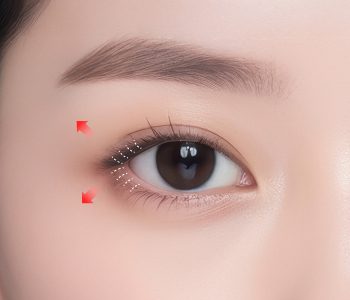
This procedure incises the inner conjunctiva of the eye and shortens/repositions the lower fascial tissue as desired before fixing it in place. Since the incision is made inside the conjunctiva, no scarring occurs, and the eye is naturally lowered to suit the individual's eye shape, creating larger eyes with a soft impression.
1. Before Surgery
Double eyelids present but eyes appear heavy and compressed
2. Design
Design the eye tail and lower canthoplasty position to fit individual eye shape
3. Conjunctival Incision
Incise the inner conjunctiva to perform lower canthoplasty
4. Fascial Fixation
Locate the fascia inside the conjunctiva, shorten it as designed, and fix it to the tarsal plate
5. Suturing
Securely fixed and delicately sutured
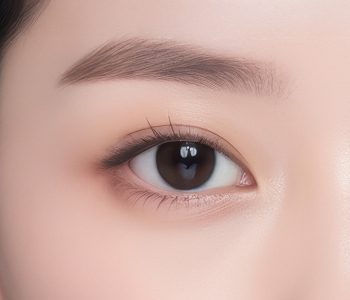
5. After Surgery
Larger eyes and a softer overall impression achieved
plan

Canthoplasty Restoration Surgical Method

This surgery is needed when excessive canthoplasty has caused overexposure of red tissue, scarring, a sharp appearance, or left-right asymmetry. The core of restoration is not simply reverting to the previous look, but redesigning naturally harmonious eyes to recover a soft and stable impression.

Inner Canthoplasty Revision

Using remaining skin tissue around the eye, the excessively open lacrimal lake is closed and existing scars are improved, restoring an unnatural inner canthoplasty to a natural and satisfying eye appearance.
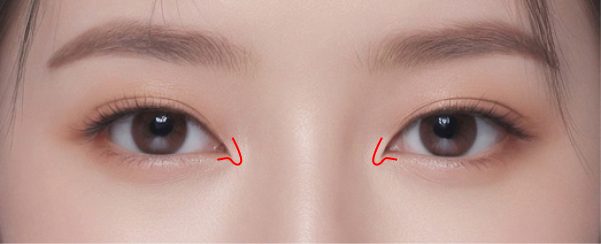
Before
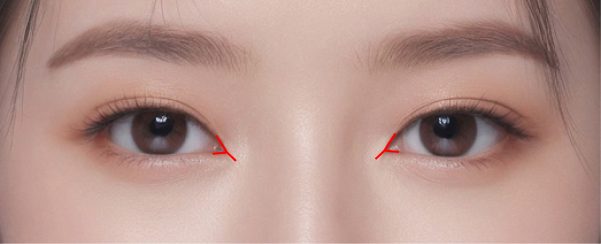
After

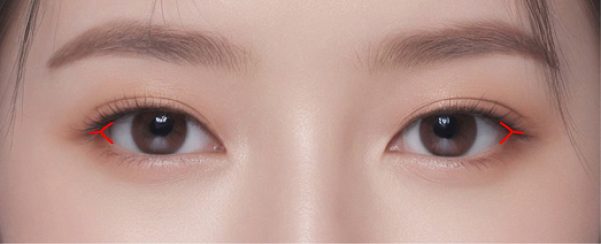
Outer Canthoplasty Revision

This surgery corrects an abnormal lateral canthus to restore it as close as possible to its pre-surgical state, both functionally and aesthetically, focusing not on simple reversal but on creating more natural and harmonious eyes.

Before
After

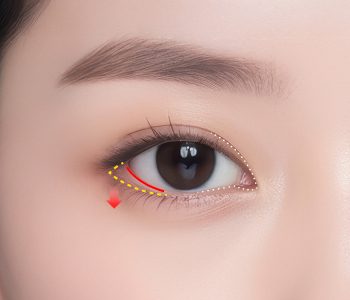
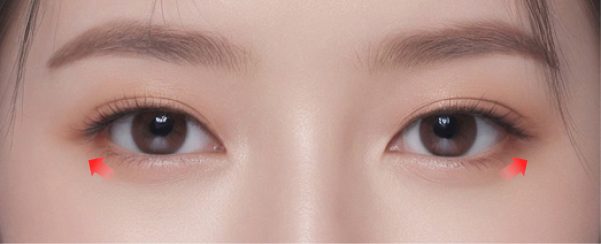
Lower Canthoplasty Revision

This surgery is necessary for those whose eyes have drooped excessively from a previous procedure or who have congenitally exposed sclera below the iris (sanpaku eyes). A 3–4mm incision is made below the eye tail area, then only the excessively drooped lower eyelid is pulled upward and fixed to the periosteum of the lateral canthus.

Before
After

Surgical Benefits

1
Synergy with Double Eyelid Surgery
When performed together with double eyelid surgery, it creates even more defined and refreshing eyes.
2
Improvement to Desired Eye Shape & Impression
By adjusting the epicanthal fold or outer eye angle, you can achieve the eye shape that matches your desired image.
3
Creation of Refreshing Front Line
Inner and upper canthoplasty open the previously hidden double eyelid front line to create a refreshing and natural line.
4
Side Effect & Deformity Correction
Excessive canthoplasty-induced red tissue exposure, scarring, and unnatural eye appearance are corrected to restore your natural look.
before & after
Before & After Photos
Canthoplasty / Canthoplasty Revision
Before & After Photos
October Clinic Schedule
Incisional Double Eyelid Surgery · Canthoplasty
October Clinic Schedule
4-in-2 Endoscopic Forehead Lift · Brow Bone Reduction · Eyelid Correction · Canthoplasty
October Clinic Schedule
Incisional Double Eyelid Surgery · Upper Lid Extension · Epicanthoplasty
October Clinic Schedule
4-in-2 Endoscopic Forehead Lift · Lower Eyebag Fat Repositioning · Canthoplasty
October Clinic Schedule
4-in-2 Endoscopic Forehead Lift · Incisional Double Eyelid Surgery · Canthoplasty
October Clinic Schedule
4-in-2 Endoscopic Forehead Lift · Upper Blepharoplasty Revision · Eyelid Correction Revision
October Clinic Schedule
Eye Revision Surgery · Incisional Double Eyelid Surgery · Upper Lid Extension
October Clinic Schedule
Incisional Double Eyelid Surgery · Epicanthoplasty
October Clinic Schedule
Incisional Double Eyelid Surgery · Eyelid Correction · Canthoplasty
October Clinic Schedule
Incisional Double Eyelid Surgery · Eyelid Correction · Canthoplasty
October Clinic Schedule
Sub-brow Lift · Eyelid Correction · Incisional Double Eyelid Surgery · Canthoplasty
October Clinic Schedule
Eye Revision Surgery · Non-incisional Double Eyelid Surgery · Canthoplasty
Recovery time may vary by individual after surgery, and side effects such as bleeding, infection, and inflammation may occur.